The importance of neuro-inclusive workspace design

April 15, 2026
A reflection on delivering a session at Gensler’s Birmingham office, exploring the importance of neuro-inclusive workspace design and the opportunity to create workplaces that better support focus, collaboration, and wellbeing in a post-pandemic world.
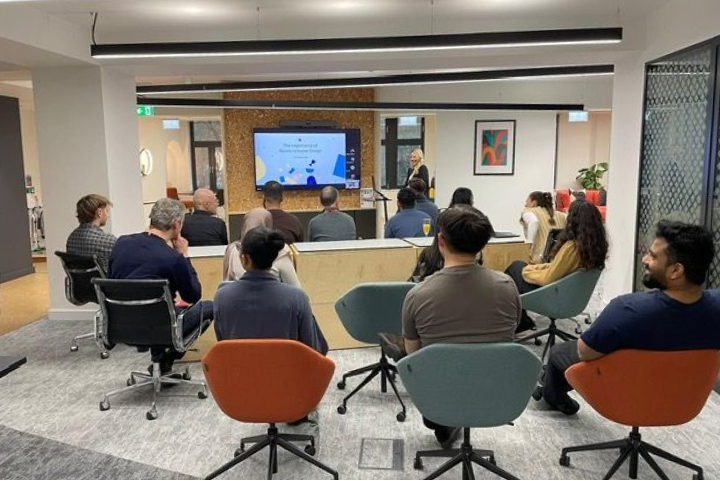

I was truly honoured to be invited to deliver a session on The Importance of Neuro-Inclusive Workspace Design at Gensler's Birmingham office this week.
A space designed for human experience
From the moment I stepped into the space, I instantly felt at ease. The environment itself reflected Gensler’s commitment to creating a positive impact on the human experience—bringing together that real sense of creativity and innovation through design.
Why the workplace still matters
Supporting both neurodivergent and neurotypical employees is shaped by many factors—but the workplace we create is a critical pillar. The physical environment lays the foundation, whilst real inclusion is built through culture, reinforced by training, strengthened through the right support, and sustained by thoughtful, informed leadership.
Lessons from the pandemic
During the pandemic, we saw just how quickly people could adapt. Teams came together, often with very little prompting, forming strong, connected, and productive ways of working remotely.
A new opportunity for organisations
Now, in a post-COVID world, as many organisations encourage a return to the office, there is a real opportunity—not just to bring people back, but to reimagine the workplace. To create environments that reflect how people work best today, and that genuinely support focus, collaboration, and wellbeing.
A culture that lives the approach
It was a pleasure to meet a team that clearly lives and breathes this approach.
Thank you for the opportunity and for the inspiring conversations.